My first introduction to David Banner was the video for “Like a Pimp,” a hodgepodge of booty-shaking women encircled by horny men and quick flashes of racist iconography. As I watched him on my screen looking like a neo Kunta Kinte, running through a cemetery of the so-called “un-segregated new south” with a shredded Confederate flag draped around his neck, my first thought was hell had ascended to Earth. Martin Luther King, Malcolm X and Jam Master Jay must have been performing 360 degree spins in their graves. Is “Like a Pimp” what the civil rights movement and hip-hop had been reduced to? Was David Banner another country coon looking to sling the musical equivalent of crack rock to the music industry and make a fast buck? What did this man really have to say?
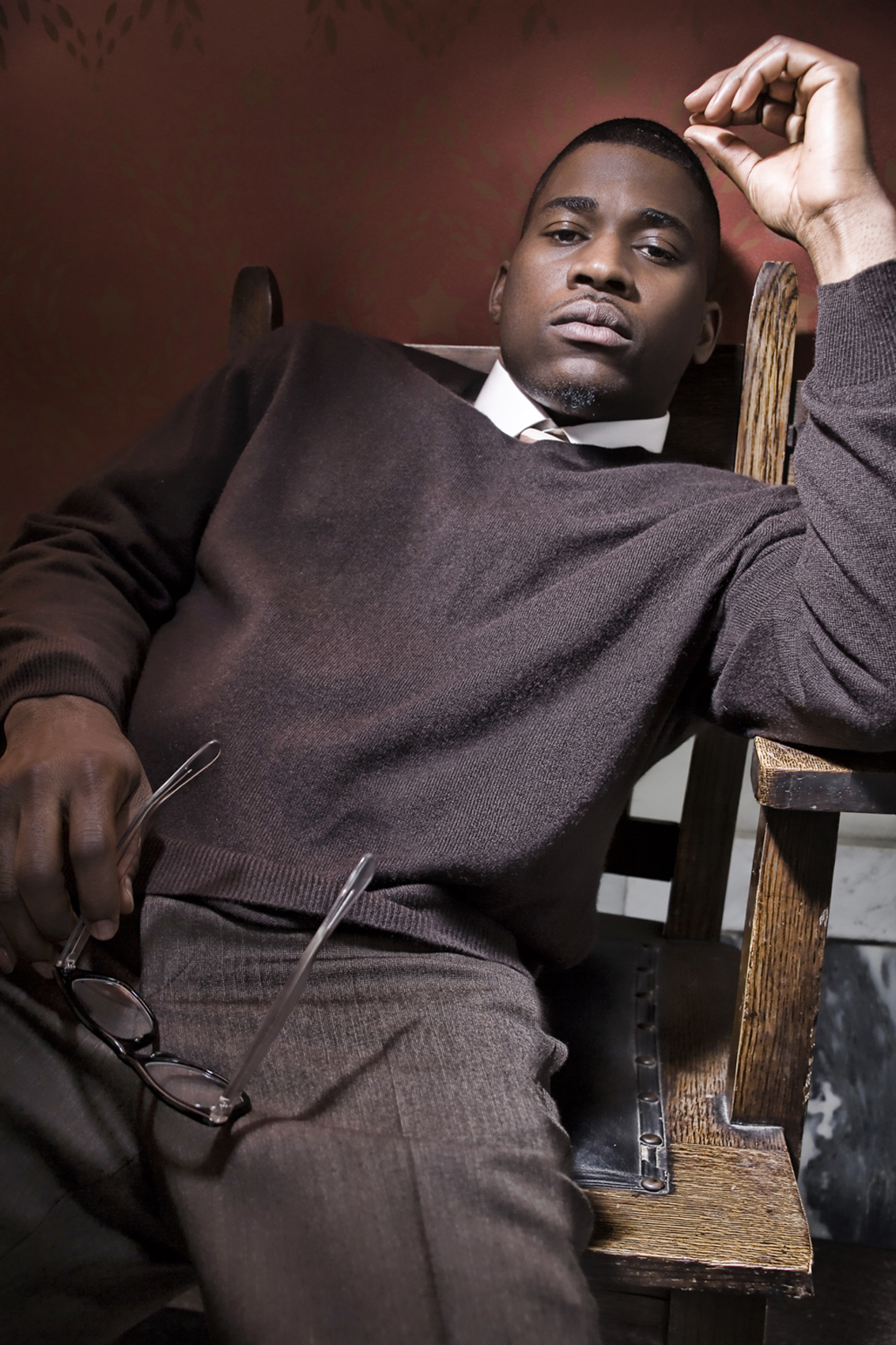 As I learned more about Lavell Crump, I realized “Like a Pimp” was just one half of the complex coin that is David Banner – his stage name. The persona of this Mississippi-born rapper is more than just “Like a Pimp,” “Play,” “Get Like Me,” “Cadillac on 22s,” or the writer, producer and arranger for Gatorade’s “Evolve” commercial. What I would come to learn is David Banner is one of the most profound, engaging hip-hop artists/producers in the game; he is a graduate of Southern University, a mentor, an actor (with parts in Black Snake Moan and This Christmas) and funny as hell. I also learned he is a part time New Yorker, owning a residence in Harlem.
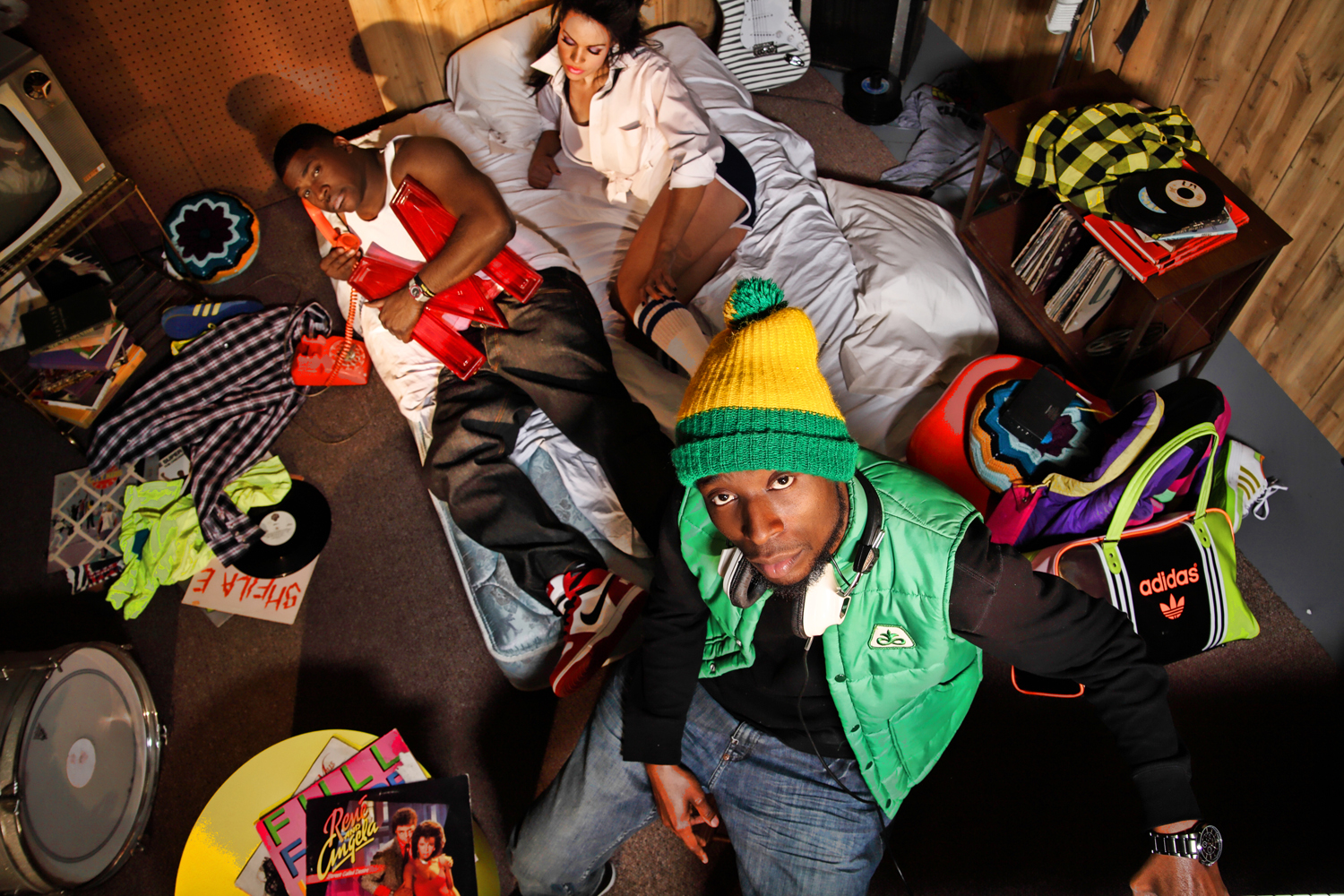 Although my first taste of David Banner was watching “Like a Pimp,” my real acquaintance came this summer at 92Y Tribeca. On June 29, Hot 97 radio personality Peter Rosenberg hosted a live Q&A with David Banner and 9th Wonder to discuss Death of a Pop Star, a collaborative album set for release November 9. Since the event was open to public, I decided to arrive at the venue early, but it appeared that I showed up too early. There were no long lines as I had anticipated, only a lone black man standing outside of 92Y Tribeca dressed in checkered button down t-shirt and jeans. I thought he resembled David Banner, but he wore none of the clichéd adornment associated with hip-hop artists, especially one on his level. Before I could fix my lips to say, “Excuse me, are you David Banner,” a few men joined him and they quickly entered the venue. I entered shortly after them and sat in the lobby as people trickled in, once the lobby began to fill, the small theater was opened and the audience began to claim seats.
 While waiting for the session to begin, I sat and nodded my head to hip-hop classics. In between vibing to EPMD and Big Daddy Kane, I began to question the meaning of the title Death of a Pop Star. Video Killed the Radio Star is more than just a song, it is a fact. Music videos have propelled artists into stars and created icons. What was David Banner trying to purge with Death of a Pop Star? Was he attempting to kill the pop star residing within, or was he trying to pull hip-hop back from the slippery slope of mediocrity that has been on heavy rotation on most major radio stations and music networks? The music stops, David Banner, 9th Wonder and Peter Rosenberg take their seats on stage and my questions will soon be answered. “Actually I had come up with the idea where I wanted to do something similar to the Actor’s Studio for rappers. I feel that since I’ve been doing this album with 9th Wonder, people out there feel like all of a sudden David Banner can rap. But I feel like I’ve been rapping all the time,” he explains.
“I think [it’s] because of our strong 808 presence, our southern drawl and the things we talk about are not on TV, so they are not commonplace. If I say something about Mississippi, people have no point of reference. So I was thinking if [9th Wonder and I] did an Actor’s Studio, people would have the opportunity to hear what I was saying. Charley Greenberg does my internet marketing and he said that Peter Roseburg does something similar, so we put our ideas together so we wouldn’t have to recreate the mold.”
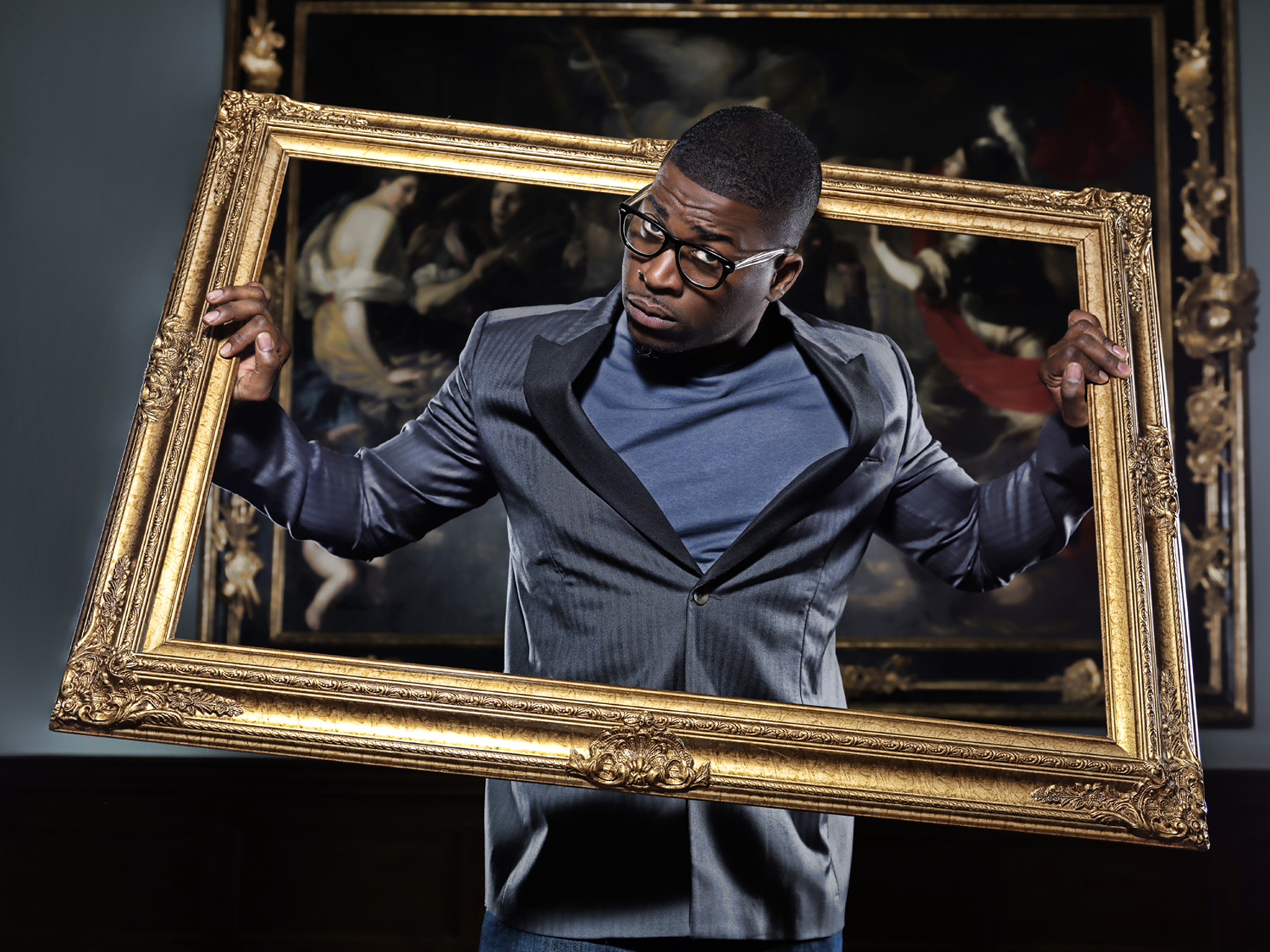 The Q&A was extremely successful and introspective, even David Banner admitted the response was better than he anticipated. The questions asked by Peter Rosenberg took members of the audience inside the mind of David Banner and 9th Wonder – two men that have shared the same experiences growing up in the south as well as similar views on the state of black music. They also shared the back story of how the collaboration and the album came to fruition. In addition, they revealed intimate stories such as the counseling David Banner sought after a personal crisis. “I learned to write about it instead of holding it in. You know a lot of the stuff I talk about in my music is true. I can bare my feelings on a record and not really have to worry about no backlash ‘cause I’ll beat ‘em,” he says as we both break into laughter. “A lot of people are going through some of the same things that I’m going through,” he adds, “but a lot of men connect showing pain with weakness and that’s not true. “
 Since the Q&A was an open forum, the session turned into a symposium about the current condition of hip-hop rather than just a typical celebrity meet and greet. David Banner and 9th Wonder became eloquent spokesmen representing hip-hop with the same verve as a senator representing a state. Instead of standing on their proverbial soapboxes and imploring the audience to buy Death of a Pop Star thus increasing their bank accounts, they enlightened those in attendance about not only the elevation of hip-hop, or the lack there of, but also the business behind the art. Most people will agree that the streets dictate what is hot. Most people will also agree that once industry executives realized the monetary value of hip-hop, the artistry in the music began to diminish. The phrase “Hip-hop is dead” has been the subject of many arguments and debates, it also came up during the Q&A and David Banner has an adamant opinion on the subject.
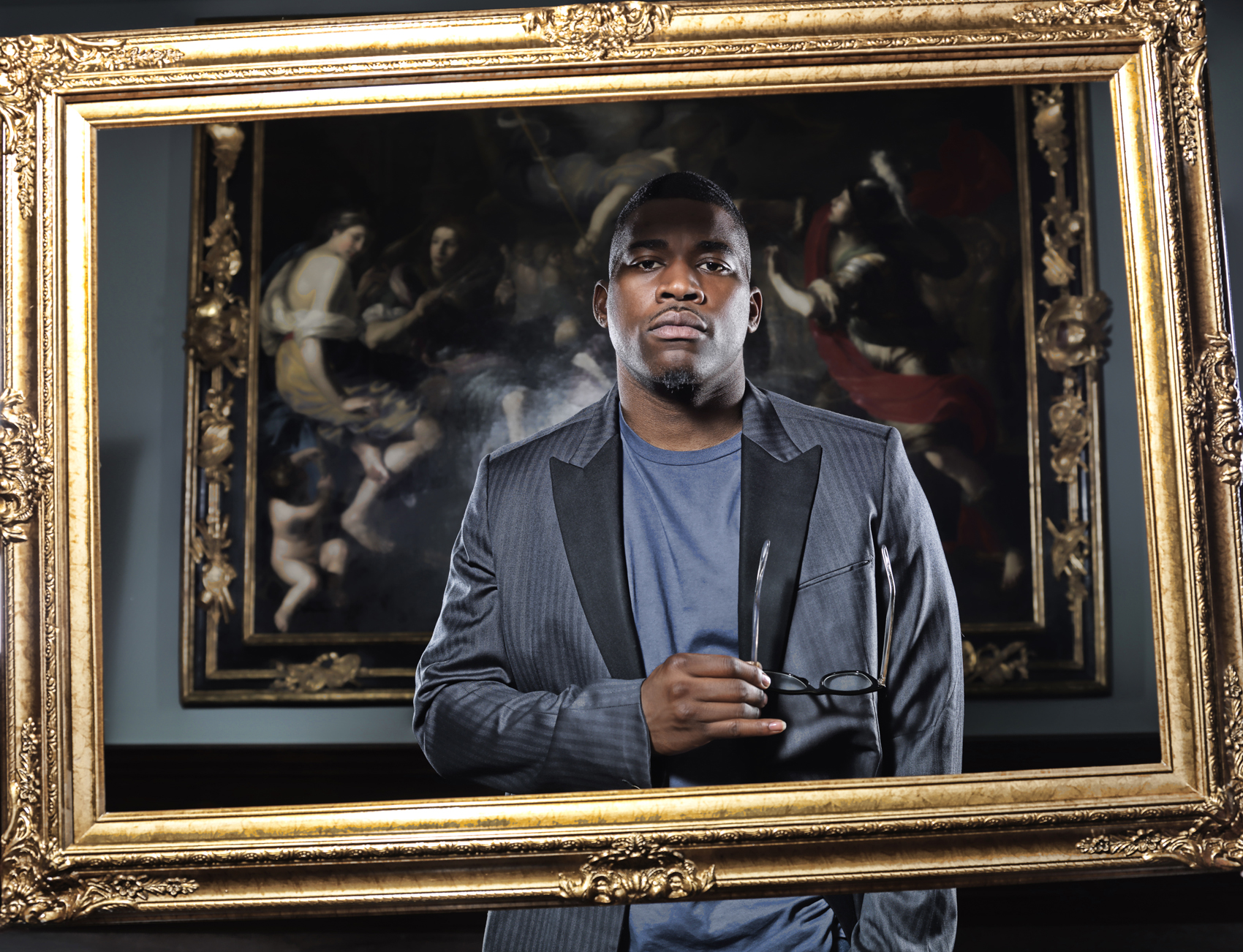 “I think hip-hop being dead is some bullshit. I think the people that used to be in power are not in power no more [and] they can’t make hit songs. They tell kids that hip-hop is dead because that is the only thing they can do to try to regain some power. They can’t rap their way out of the hole. Hip-hop ain’t dead to me,” he says, “hip-hop has always been a reflection of society. Society is f**ked up right now so hip-hop is suppose to reflect that. Kids don’t have a good educational system. They don’t have good television anymore. Where do kids get substance to rap about? The problem is our parents made a lot of mistake in the ‘80s with crack and people trying to chase the American dream, and they didn’t raise their damn kids. Then kids starting getting pregnant, they weren’t raised, and now you have children raising children. It’s our fault; it’s bigger than music. And black people are really afraid to address the real problem. The real problem is not young black men rapping; it’s old white men in power.”
 Besides creating a great dialogue about hip-hop’s longevity and the ills that plague its community, the Q&A also was a public listening party for Death of a Pop Star. In between questions from Peter Rosenberg the audience previewed a different track. David Banner commanded the members in the audience to change our focus not only literally, but figuratively with this album. Death of a Pop Star is a tour de force, a pivotal album coming at a crucial time in hip-hop. Instead of focusing on gimmicks, it harkens back to the days when pure skill, lyrical ability and hot music created hits. Death of a Pop Star is a “grown ass” album for “grown ass” people, addressing themes that are a concern to any individual 30 and above. The topics explored are so essential that members of Gen Y could also find a clue by listening to this album.
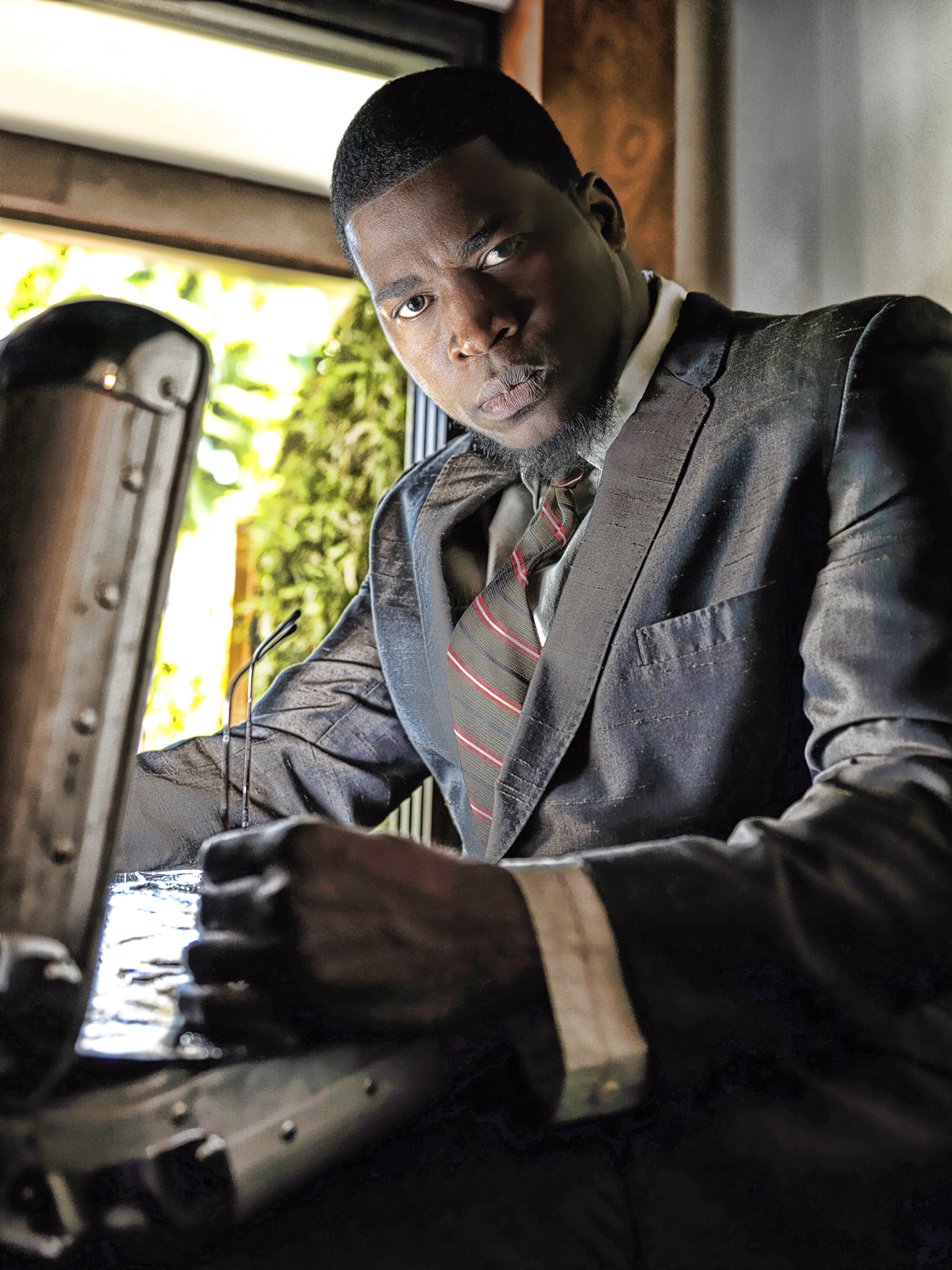 Death of a Pop Star does not only attempt to restore balance in an industry dominated by ring tone sales and iTunes downloads, it also an endeavor that brings symmetry to David Banner’s catalog. On “Slow Down,” David addresses stripper lifestyle many women resort to in order to make ends meet. “Channel 3” is a revealing portrait about the trappings of success. “A lot of people talk about what they would do if they had money, but they ain’t ever had money, so they don’t know the pressures that come with it,” he states, “I literally went from being homeless to running a million dollar corporation in two weeks. The pressure from people, family, friends and everybody placing their problems on you, the pursuit of always wanting more…it just didn’t feel right.”
 There is no facet of Death of a Pop Star that does not reflect a strategic blueprint aimed to provoke thought, even cover art is a stop –you-in-your-tracks conversation piece. “I wanted to make people uncomfortable,” David explains about the cover, “I wanted people to wonder if it was a movie or a book, and if it was an album was it rock or jazz. I wanted people to ask, ‘What the hell wrong with them niggas?’”
 Music is similar to justice in the fact that it is supposed to be blind. In today’s music scene, an individual can crossover regardless of color, creed or in some cases talent, but as countless cases have shown the public, the verdict Lady Justice wields can be determined by the amount of money spent on the defense. Music is the same. At the end of the day, it is CD, ring tone and iTunes sales that speak the loudest, not critical acclaim. David Banner and 9th Wonder may have tried to even the musical landscape by creating a work that could be considered a future classic, however without the sales to prove it this album could fall into hip-hop obscurity. David Banner has a message for all who like to chew on the subject of hip-hop’s future as an art form, “It all about the finances dude. If you want hip-hop to be successful, go buy a hip-hop record that is where the power is.”
Photos and video courtesy of Audible Treats


 kJTMaA]