“Ain’t Nothing Like the Real Thing” – a 1968 single released by Motown, sung by the incomparable Marvin Gaye and Tammi Terrell. For me this title is more than just a name to a classic song, it sums up my feelings for Nick Ashford. On August 22, Nickolas Ashford lost his battle with throat cancer. News of his death sent tremors throughout the music and dance communities that were stronger than the earthquake that made New York City the day after his death was announced. Nick Ashford was a recording artist and one half of one of the most dynamic songwriting duos in R&B and pop music history.
As part of Ashford & Simpson, he and his wife, Valerie Simpson not only recorded some great disco and R&B classics, they also helped to pen the “Motown Sound” and define disco. Together they turned Diana Ross into The Boss, influenced Ray Charles to Go Get Stoned, made Chaka Kahn into Every Woman and created magic for Marvin Gaye and Tammi Terrell that anyone living on a mountain high or valley low could feel. When they lifted their voices in song, they were as Solid as titanium.
In a sense, New York City was the genesis of Ashford & Simpson; they met at Harlem’s White Rock Baptist Church in 1963. The Big Apple was their home and along with their singing and songwriting careers, the duo was also DJs for Manhattan’s KISS-FM and opened Sugar Bar, located on 254 West 72nd Street, in 1996. Their music kept the dance floors of New York City’s most memorable clubs and parties packed with sweaty souls all singing their lyrics word for word, hustling, moving and not missing a beat.
As a music lover, his passing affects me deeply, but I know that when I step on a dance floor and hear my favorite Ashford &Simpson jam, “It Seems to Hang On”, I know I will lose it as I always have. I will bring my hands to my mouth, kiss the sky, hold my hands up high and give thanks that a star like Nick Ashford was allowed to burn for 70 years and left such luminous memories behind in the form of music and lyrics that will survive until the end of ages. My deepest condolences go out to his wife Valerie Simpson and their two daughters. Personally, I cannot fathom the loss of a true life partner – a husband, father and business partner. I hope she will find solace in the knowledge that she and her husband provided a voice and helped contributed to the soundtrack of an era where music was still about artistry, not branding, and that millions of music lovers mourn with her. Nick Ashford’s funeral is planned for tomorrow at Harlem’s Abyssinian Baptist Church. A repast is scheduled at Sugar Bar.
Oh Sugar, Honey, Ice, Tea…guess who is back? Its 2011 hip-hop cash king Jay-Z and his once protégé producer turned Michael Jackson wannabe and superstar in his own right, Kanye West. I am sure all you FAMERS have seen the video for “Otis”, which has been on rotation on MTV and plastered all over the internet. “Otis” is the first video to be released from their collaboration Watch the Throne, and features a vocal and instrumental sample from Otis Redding’s “Try a Little Tenderness”, a flame-shooting overhauled Maybach and a mountainous American flag draped over a hanger (oh did I also mention there are models too).
The video is directed by Spike Jonze, known for cranking out a great video or two, has been well received by critics and the public and looks more like the outtakes of a video shoot rather than a video itself. It is not contrived, the concept not overly artistic, it is just Jigga and Kanye kicking it, whipping around in a super Maybach with models in the backseat and “Parks and Recreation” star Aziz Ansari making a brief cameo. As simplistic as it gets, “Otis” gets high marks for showing two hip-hop moguls having fun. But for me the best part of the song or video is the Redding sample. Although I did cringe at the blasphemy of using the legendary soul singer’s most famous hit in an almost haphazardly fashion (hey, I am an old head), I must admit the track did grow on me. The best samples take great beats and hooks and transform them into new music. And that is exactly what Kanye West did with “Otis”.
The production of the song harkens back to tracks like “Izzo (H.O.V.A.)”, which featured a sample of Jackson 5’s “I Want You Back” or “Hard Knock Life” which used a sample from the musical Annie. Although the shrieks at the end of the video can be unnerving, the sample introduces the music of Otis Redding to Millennials, a generation who has probably never heard of him and gives old heads like me the opportunity to relive the joy of Redding’s music in another form. And besides the track being a headbanger, the Maybach shown in the video is being auctioned to aid the East African drought relief efforts.
One thing a recording artist must become used to is talking with the media about themselves. Press junkets are just as important to the process of getting an album to consumers as being in the booth. On April 21, R&B artist Antwon Bailey sat down with members of the media to talk about the upcoming release of his mixtape Mr. Bailey. When Antwon spoke with the press at Selfish Music Group Studios in Brooklyn, this 19-year-old Queens native was realizing a dream. A dream that was conceived when he was boy, entertaining family and participating in school talent shows. That dream began to come to fruition when Bailey was signed to famed Power 105.1 FM radio personality DJ Self’s Selfish Music Group. Now an internet sensation, Antwon’s videos received multiple hits on YouTube and has him being compared to young, sexy R&B crooner Trey Songz.
Antwon Bailey is ready for the world, literally, and got acclimated to speaking with the press by sharing with F.A.M.E NYC his thoughts about the media, being compared to Trey Songz and the new millennium way of breaking new artists into the mainstream.
April 21, 2011 was your media day. What did you enjoy most about talking to the press?
I liked the fact that most of the media/press was really down to earth and knew what my music was about and really express their appreciation for my music.
What is the craziest question you have received?
Someone asked if I would sleep with Lisa Raye.
In your bio it stated that as a child you were called upon to entertain your family. When did you realize that music was something you wanted to pursue as a career?
Once I started doing talent shows at school and performing for the All Stars, that’s when I knew that I wanted to pursue music as a career.
Describe your feelings when you were first signed to Selfish Music Group.
I was excited that I was starting a new venture with all those affiliated with the record label and waiting to see what the next step was. I was happy to be working with one of the hottest DJ’s in NYC.
How would you describe your sound?
I would describe my sound as unique, fun and geared towards the youth, but you can still feel the late 80s, early 90s sound. Overall, it’s definitely for the people. I like to incorporate punch lines that the ladies can relate to.
I have been viewing your videos on YouTube. Some viewers have compared you to Trey Songz. Do you feel that is a fair comparison? Also, how do you feel about artist comparisons in general?
I think it’s an ok comparison. I can see how they would see that being that I’m young and he was young when he started and had braids and I have braids now; I think I just have a little more of an angle geared toward the youth right now. It’s not all grown and sexy.
I don’t really think about being compared to other artists as I’m focusing on my own music currently, but people always compare new artists to known artist so I expect it.
Tell me about the process of recording, “Mr. Bailey.” How have you grown from the experience?
It was a fun experience. I felt like my career is actually growing and I got to see the results of my product, my voice, my music. I must say, that with me being my toughest critic, I was actually satisfied.
“Mr. Bailey” is a mixtape. While the mixtape game is widely known for being a launching pad for hip hop artists, do you think the mixtape game has also benefited the world of R&B?
I feel that the mixtape circuit is just a way to promote your music to those [who] haven’t necessarily heard your music whether it be hip hop or R&B. I think it allows people to see my creative side as I prepare for my album.
The music industry has changed drastically in the way new artists break to the public, do you believe that has served to help or hinder a new artist like yourself? Why or Why not?
I think that it helps new artists like me because the ways artists are brought to the public now are by way of the internet and online media. People from all over the world can see who you are and what you do. It allows artists to communicate with our fans in a way that we wouldn’t have been able to back in the days.
Which track on the mixtape is the most personal for you and why?
“Hotta Hotta” which is number two on the mixtape, is the most personal track on the mixtape for me because it explains my grind in the music industry. It is also a song [about] me explaining to other artists that although they’re hot now, I’m going to come out being even hotter. My quote for “Hotta Hotta” is, “You can stand out, but I’m outstanding.”
What is the difference between a superhero and a superstar? Both have larger than life personas, are admired by legions of followers and equally despised by multitudes of haters. They posses a distinct sense of fashion and generally posses a divine gift that sets them apart from mere mortals. And like a superhero, superstars generally have an alter ego that allows them to futz around in public.
By day, Aurora Barnes is a music teacher, teaching children the violin in an elementary school in the Bronx. By night, she is a Botticellian tresseled beauty, belting out songs that are a testament to her personal story. A native New Yorker, she has taken the eclecticism of Manhattan, her childhood influences and used it to shine brighter than the top of the Empire State Building. By age 11, she had already performed with violin virtuoso Itzhak Perlman and as a teenager; she attended Fiorello H. LaGuardia High School for Performing Arts (the FAME high school). Aurora’s footprints are all over New York City, performing atthe City Center, Central Park’s SummerStage, Madison Square Garden, Lincoln Center, Carnegie Hall, 92YTribeca, Knitting Factory, Bowery Poetry Club, Nuyorican Poet’s Café and The David Letterman Show. Recently, she has performed at The Bitter End and Bryant Park.
Aurora is also a budding actress, making her film debut in 2009 with bit parts in The Last Film Festival and GetHim To The Greek. After learning more about this young lady – a woman who is passionate about the arts, children and activism – there is one thing I am certain of, it will not be long before Aurora Barnes has Gotham eating out of the palm of her hand. The mayor may not use her insignia to gleam in sky like Batman, but promoters will use her name to headline marquees all over The Big Apple and the world. And just as Batman‘s name is synonymous with heroism, her name will be recognized the world over for her amazing sound.
Recently, F.A.M.E NYC spoke with Aurora after her performance at The Bitter End. She shared with us her influences, experiences and the superstars she would love to join forces with.
You were born in raised in NYC. What neighborhood did you grow up in?
Until I was 14, I lived on the Upper West Side and went to school in East Harlem, so I always say I grew up in those two neighborhoods. During high school, I went to the FAME School (Fiorello H. LaGuardia High School for Performing Arts) and lived in that neighborhood, by Lincoln Center. Since then, I’ve lived in Central Harlem.
How did living in NYC influence your musical style?
NYC is a cultural melting pot. I grew up in El Barrio, in the 80s, and fell in love with hip-hop, R&B and popular Latin music. My mother taught me all about Stephen Sondheim and musical theater (I joined TADA! Youth Theater at the age of 5). Every Sunday morning, I would awaken to my father playing Bob Dylan, The Beatles or The Four Tops on the record player. My grandfather loved jazz and Frank Sinatra. My grandmother loved Shirley Caeser and gospel music. A small part of my family is from Spain and Cuba, so I was even exposed to some Latin Jazz and Afro-Cuban rhythms. I used to say, as most kids did, that I loved every kind of music except Country. Country was never considered “cool.” But as I grew older, I learned that country was rooted in the blues and folk music. It’s shocking to me that music and art programs are always the first to get cut by government funding. There is so much history in art – so much to be educated about!
You have played in many different venues and stages. Tell me about your first experience performing in front of an audience?
Oh, brother. As the story goes, my family took me to see a show at TADA! Youth Theater, when I was about 4-years-old (TADA! is a wonderful theater experience for kids). After the show was over, I am told I walked onto the stage and refused to get off. I suppose that can be considered a first time.
What has been your most memorable performance to date?
I had the honor of performing at SummerStage in Central Park, last summer, June 30th, 2010. It was the most thrilling experience of my life thus far. Being able to convey my thoughts and feelings, through my words and music, in front of thousands of people and have them love it? Nothing beats that. A very close second was when I was 10- years-old, I performed the Bach Double Concerto, on violin, standing on stage between Itzhak Perlman and Isaac Stern, in Carnegie Hall during a benefit performance for the violin program I grew up in called the Opus 118 East Harlem Violin Program. I honestly don’t think my mother will ever be more proud of me than she was at that moment. It was very special.
LaGuardia H.S. is one of the most famous performing arts high schools in the country. How did going to this high school prepare you for a career in entertainment industry?
The best thing about LaGuardia is the kids – so much talent. I learned a great deal about healthy competition; supporting my friends and fellow performers without “hating” on another artist. It is really important for your art, but also for your person, to be able to appreciate someone else’s light. It’s not necessary to be “the best,” whatever that means. We can all vibe off each other and gain tremendously from all the talent, intelligence and love. That’s what going to LaGuardia teaches you.
In college you studied Philosophy, Politics and Law. Has the study of these subjects influenced your writing style?
I love this question. Early on, I wanted to quit college. I thought it was impeding my performance career. My beloved acting coach, Harold Guskin explained to me how important life experience and education is to your art. He told me to read everything, go to museums, listen to all kinds of music. So, I went back to school. I decided to major in Philosophy, Politics and Law because it allowed me to study all sorts of human rights and social justice issues. My family has a deep history in activism so these subjects have always been a major part of my life. Studying these subjects hasn’t directly influenced my writing style, but it has contributed to the content. Exploring, in general, influences my writing style. I used to be afraid of change. Now, I’m thirsty for it.
How does your personal story reflect in your music?
I am unable to write unless I can relate to it, personally. My songs reflect a time, a relationship, an incident that was/is real. I am moved, to write or sing, by emotion. I once read an article, by Roseanne Cash, where she said, “A song can be anything you want it to be.” You can create it from your imagination. This article changed the way I looked at songwriting. Now, I’m interested in painting a picture with words. You can create a brand new experience, still rooted in an honest idea or emotion, but much more layered. I love Seurat’s style of painting because he used so many different colors to create one color, viewed, at first sight, by the naked eye. But if you look closely, you can see the pointillism; you can see all the different colors. It creates an unspeakable depth. It’s so multi-thematic but ultimately makes for a simple, clear, relatable statement. The cool thing about art is I can use pieces of my personal story to create it, and if it connects, the audience, gathers from it, pieces of their personal story.
What prompted you to want to start acting?
I have always wanted to be a singer and an actress. I’ve always wanted to work in theater, film and music. In terms of acting, I fell in love with the work, when I met my coach, Harold Guskin.
How has studying acting help you in performing on stage?
Majorly. When I sing, I sing the words of a song. I convey what the lyrics mean to me. Just like in acting, I take the words off the page and see how the words play on me.
Besides being an artist, you are also an elementary school music teacher. What is do enjoy most about working with children?
I never thought I would love teaching, but I love teaching. I just love my students. I love all the crazy things about them and all the sweet things about them. My favorite thing about teaching violin is when the kids are just beginning to play Twinkle Twinkle Little Star and they recognize the song as they’re playing it. It’s the best moment. It is the first time they are playing an actual song and not just open strings. When they realize what they are doing, they fill with pride –their eyes light up and they smile – it’s so wonderful.
You have worked some very accomplished artists? If you could select three artists to work with this year, who would it be and why?
This is my favorite question. I am giddy just thinking about the possibilities.
A. It has always been a goal of mine, to sing with Bernadette Peters. She has been my favorite performer since I was 6-years-old. And she has been very supportive of me and my career. She gave me my singing coach, Adrienne Angel. Singing with her would be very special, in many ways.
B. I want to sing with Pete Seeger. I grew up listening to him. I watched this wonderful documentary, on PBS, about his life and I realized he is one of the few morally upstanding men who have ever existed. His devotion to human rights is boundless. This is a man who means what he says and says what he means. The honor would be tremendous, just to shake his hand.
C. I want to write with Bruce Springsteen and his team and I want them to produce my album. Bruce is one of the few artists who can sing anything. He does folk, Rock & Roll, gospel, blues, pop… I want to work with him. I believe he will understand my vision, my voice and me.
Sneak a peek of Aurora Barnes – Then Comes You
Want more of Aurora…check out, www.IAMAURORA.com. Photos courtesy of Aurora Barnes
Many mourned the departure of Fat Beats when they closed the doors to their Manhattan and LA stores last year. But as a wise man once told me, nothing is ever really gone. The legendary record store is back and in Brooklyn, at least for day. That’s right, those who crave the crackle only vinyl can supply will be ecstatic to know that Fat Beats will begin a monthly pop-up shop in their warehouse, located in the DUMBO section of the borough at 110 Bridge Street, starting on March 5. On hand to bless Fat Beats’ reopening will be some of Brooklyn’s heavy hitters on the ones and twos, DJs Spinna, Evil Dee and Rich Medina. Doors will reopen at noon. If you consider yourself to be a true hip-hop head, mark your calendar for Saturday and pop-up at the pop-up shop.
The little monsters in Gagaland are rejoicing and dancing in the streets. Lady Gaga’s reign as pop music’s newest monarch was cemented at Sunday night’s 53rd Annual Grammy Awards telecast on CBS. She took home the golden phonograph for Best Female Pop Vocal Performance, Best Short Form Music Video and Best Pop Vocal Album. Also, she delivered one of the most anticipated performances of the evening when she sang “Born This Way,” a revamped version of Madonna’s “Express Yourself” complete with Horton-styled, Aileyesque choreography.
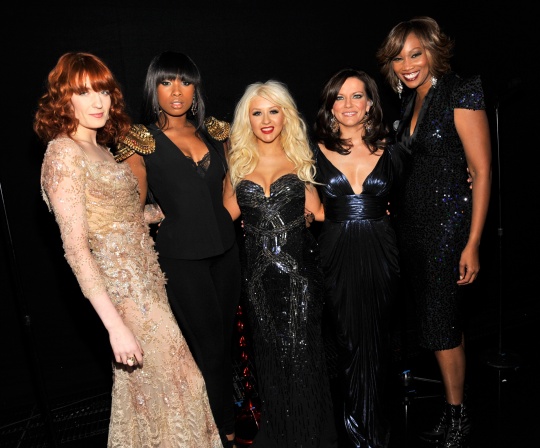
But while the legions of Gaga fans were celebrating, this viewer was not so happy. Overall, the 53rd Annual Grammy Awards was lackluster to say the least. I doubt I could have had a worse time watching a bunch of crickets performing a mating song on the National Geographic channel. The show opened up with LL Kool J introducing a star-studded girl group that paid tribute to Queen of Soul Aretha Franklin and included Florence Welch, Jennifer Hudson, Yolanda Adams, Martina McBride and Christina Aguilera. The crew of ladies belted out some of Franklin’s most iconic works and it seemed that the Grammys were off to a rocking start. But it appeared that music’s biggest night never fully got off the runway as the performances were sans the oomph of past Grammy shows.
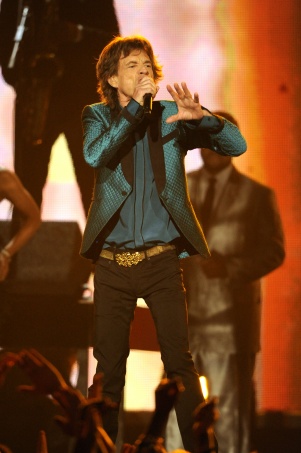
More than ever before the Grammys’ formula showed like a slip hanging from an expensive cocktail dress. A physic was not needed to foretell the winners, all one needed to do was watch the performers. Almost every performer that hit the stage won their category (and frankly that bit is getting pretty old). Also the Grammys’ method of ad-hoc collabos was for the most part insipid. The most unlikely duo to perform was Ceelo Green and Gwyneth Paltrow; they along with a band of Muppets sang “F**k You.” Green looked like the Muppet Czar as he donned a colorful, feathery number that resembled an Elton John throwback. Paltrow looked sexy in a black catsuit, but the most entertaining part of this duo was watching Paltrow balance herself in a pair of uber-high colorblock heels. Another anticipated performance was that of Mick Jagger, and although it was enjoyable watching him and Raphael Saadiq on stage, I have seen Mick Jagger give more spirited performances.
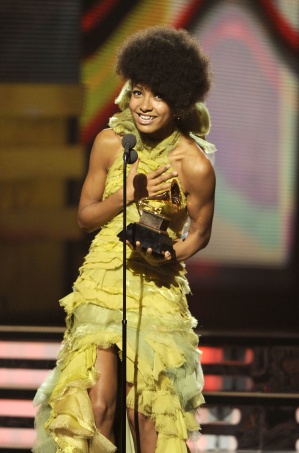
One good component of the Grammys’ formula is that in this digital, Auto-Tuned age, The Recording Academy still values musicians over artists as the top honors of the night, Record Of The Year, Album Of The Year, Song Of The Year and Best New Artist were won by Lady Antebellum, The Suburbs and Esperanza Spalding instead of the pop stars du jour.
Probably the most ironic element of the 53rd Annual Grammy Awards is that it started out paying homage to the woman most synonymous with soul music and that was exactly what the show was lacking – soul. In past Grammy shows, a more eclectic blend of music was present in the selection of performances that exposed the viewers at home, especially the youth, to genres of music they would not normally listen to. Question for the academy, where was the classical, jazz, Latin or gospel music? How was this music’s biggest night when more music outside of Billboard’s Top 40 was not represented in the telecast? If this is an omen for Grammy nights in years to come, then the world should just wait for the MTV Awards because the Grammys will not be worth watching.
Photos: WireImage.com, Lester Cohen/WireImage.com, Kevin Mazur/WireImage.com
When it comes to hip hop, each part of New York City has its own story. The Bronx is the genesis; the cradle of hip hop. Brooklyn has spawned arguably some of the greatest rappers that have ever touched a Mic. Queens, Manhattan and Staten Island have also generated its fair share of legends. Long Island, or Strong Island as we called it back in the day, is not part of the five boroughs, but its contribution to hip hop has been no less than impactful.
Rakim, considered to be one of the greatest of all time, hails from Wyandanch, Long Island. His cadence and lyrical prowess single-handily created the departure point from how MCs used to spit in the early 80s, showing hip hop heads the future of MCing, and produced the blueprint for lyrical MCs of the ‘90s and beyond to use as an influence. Political super group Public Enemy was formed in Long Island. The forceful delivery of Chuck D along with his pro-black lyrics harkened back to a time when Black was beautiful and offered a voice that stimulated our consciousness, allowing us to understand the power of the burgeoning medium the streets had birthed. Strictly Business was the name of hip hop duo EPMD and set the mark for their career. On the Mic they played no games and their no-nonsense lyricism made them staples on the hip hop scene in the late 80s and early 90s. Rap group De La Soul also formed in Long Island and ushered in the “Daisy Age.” Their witty lyrics and unique samples added a much needed eclectic layer to hip hop.
As a native of Long Island the inspiration of these trailblazers was not lost on Reek Da Villian when it came to developing his own style. “My music is all different types of styles and genres,” he says, “I can make the comical records, the serious records, the good-feeling records, the street records [and] the club records. That all comes from listening to groups like De La Soul and EPMD and MCs like Rakim mixed in with Big Daddy Kane whom I love and Slick Rick and Kool G Rap.”
Reek Da Villian is a true child of hip hop. He began rapping at age seven, and by 15 he was recording music in his cousin’s studio in Freeport. In 2006, a chance encounter would serve to be his big break. Reek met Busta Rhymes , long known for being one of the liveliest MCs in hip hop and a founding member of Leaders of the New School) at a mixtape/clothing store in Uniondale. After rapping for him for five minutes, Busta asked for his number. That meeting would be that catalyst that propelled Reek into stardom. Busta became a mentor, fellow label and group-mate as Reek would become a part of the Flipmode Squad, appearing on BET’s 106 and Park and Rap City. In 2009, he left Flipmode, but the experience he acquired was invaluable. “I’m the type of person that can watch and learn something better than someone teaching me,” he confesses, “so as far as musically I just watched stuff [Busta] did and picked it up on my own. But as far as the business side, he taught me how not to rub [label] executives the wrong way, how to greet them and talk to them. He gave me all those little pointers.”
Although Reek Da Villian has yet to release a studio album, he is definitely a veteran in the underground hip hop scene releasing 10 mixtapes since 2007. “Being a new artist, record labels can tell you what they want you to do. Mixtapes give you a chance to go out and give the fans what you want them to hear. If you want to give them a more street record, you can just go out there and give them a whole street album and it could be a mixtape. And it works hand in hand with all the blogs because you can get them up and the fans can go on and support you. You can give them out for free and it’s a way to promote yourself and get heard.” Reek also points out that there are some rap artists that are just releasing mixtapes to manufacture a career and considers the mixtape game a blessing.
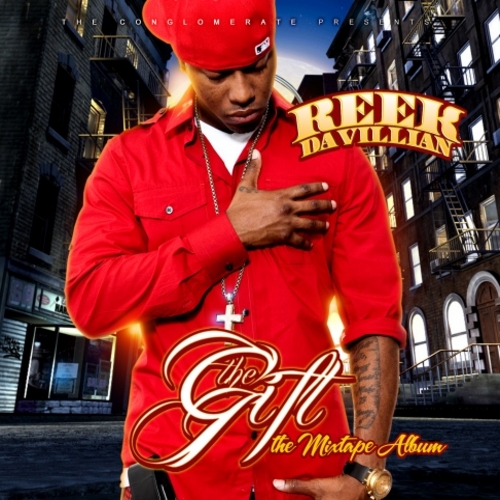
In 2010, Reek released his 11th mixtape titled The Gift. “I made The Gift CD like an album because I want everybody to hear it and be able to say wow if he did this for a mixtape, I can imagine what his actual album will sound like,” he states. The title reflects his attitude about the commercialism that is present in mainstream hip hop. “I wanted to give the fans something they could appreciate and that wasn’t about a dollar bill. It is a free mixtape for people to listen to like or not, but overall I say it’s the gift because it’s beautiful music, which is something the fans haven’t gotten in a while and I know that they want,” he adds.
Along with promoting The Gift, Reek plans to drop another mixtape as well as release his debut album in the summer. Hip hop has seen many changes in style since DJs took their equipment out to battle each other at block parties, but one staple in the music and culture has remained – hip hop has always been about repping where you are from. Reek Da Villian is holding the banner for Long Island and adding to long list of MCs from this area that gave depth to hip hop with good music and engaging lyrics.
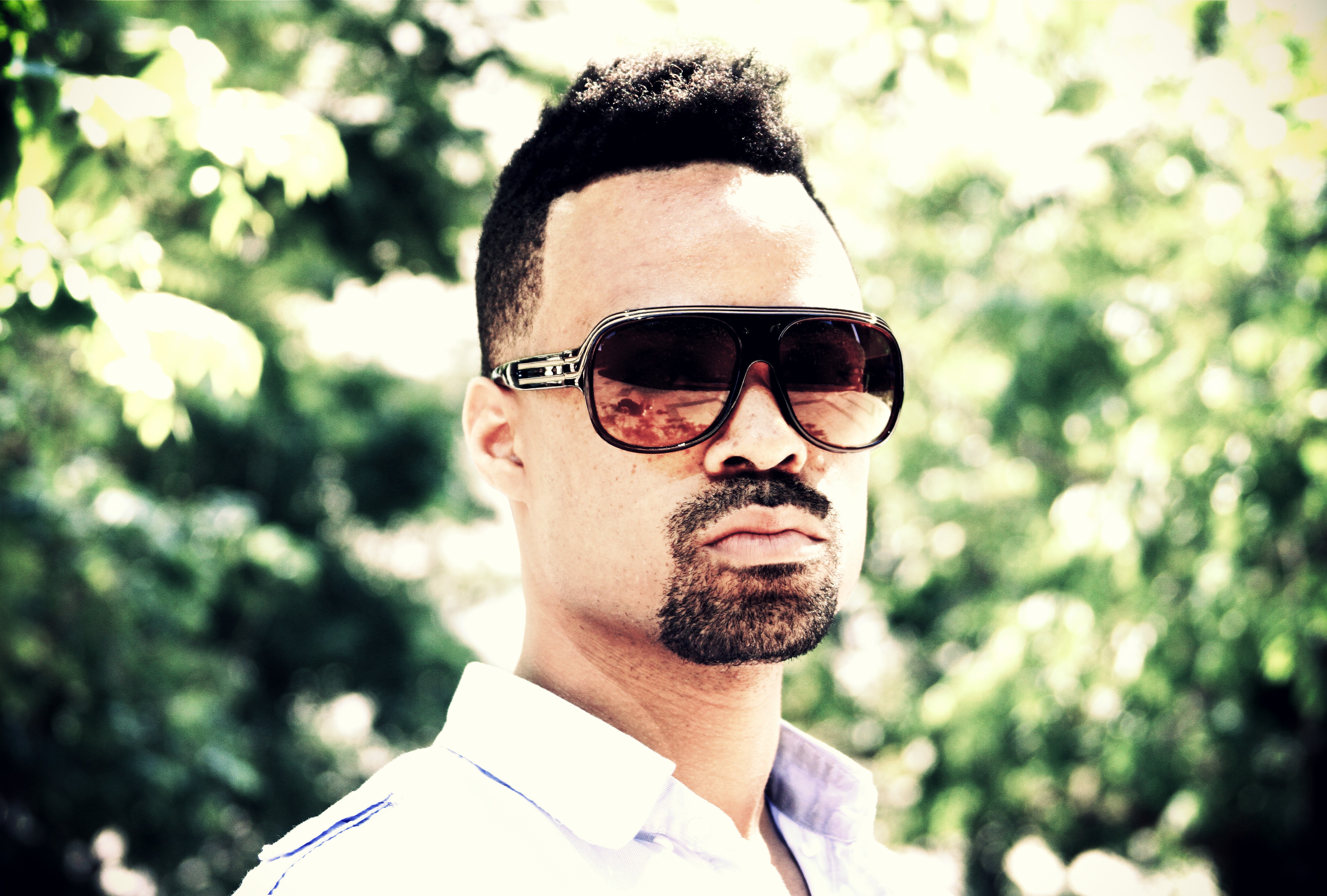
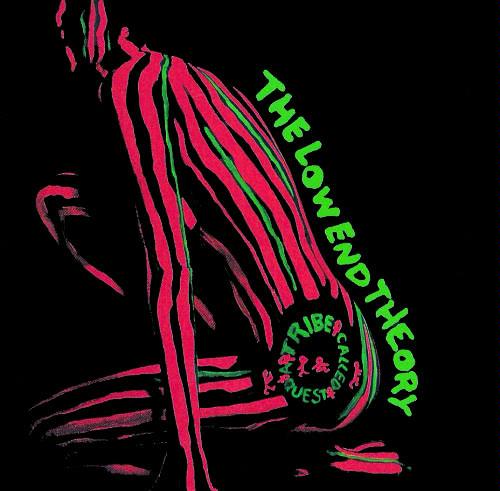
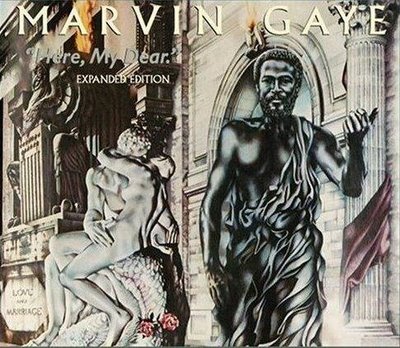
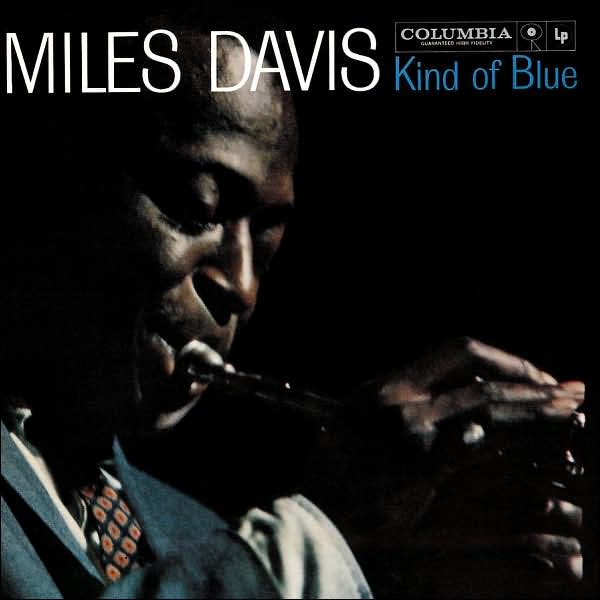
For any serious music collector there are certain albums that are necessary to have. During my interview with Bilal I asked him what albums should be considered essentials, below are his top four.
On September 14, vocal virtuoso Bilal released Airtight’s Revenge cementing his return to the mainstream musical radar after a nine year absence. But don’t call it a comeback, Bilal has been here for years. He captivated the music scene in 2001 with his debut album 1st Born Second, which spawned singles “Love It” and “Soul Sista” and instantly placed him in neo-soul box. The album received limited production, but was touted as a critical hit. Although his debut did not garnish crossover success, Bilal acquired a vast following and high attendance of his live shows. Like Ella Fitzgerald, Bilal has the ability to use his voice as like an instrument (a trick he probably learned performing in jazz clubs in Philly) which elevates him to a pantheon of entertainers few artists ever reach. His lyrics convey the emotion and struggles of black people with pinpoint accuracy – women feel as if he is speaking directly to them, men believe he is speaking for them. Well respected amongst his peers, many of whom were categorized in the neo-soul box with him, Bilal has consistently contributed and been featured on numerous projects, remaining a fixture on the modern musical landscape despite only having one album of his own.
A hard lesson learned in the music business is that the business eclipses the music – the dollar is the bottom line, literally. Like most artists whose talent exceeds the box or genre record industry execs have labeled them under, Bilal has struggled to have his music heard. The neo-soul moniker that so conveniently classified the singers and groups that brought a resurgence of soul music in late ‘90s seemed more like a prison, trapping artists to fit a certain criteria as the music scene transitioned to the “Bling, Bling” more flash less substance era. Artists that fell under the genre appeared to get winnowed out or went deeper underground. The digitization of the music industry through downloads and ringtones only presented another conundrum. Bilal’s would be sophomore attempt, Love for Sale, was ultimately shelved by Interscope Records after being leaked online. But true talent can not be silenced, Bilal is constantly touring and in 2009 he signed with Plug Research.
On the surface the album’s title serves as a middle finger to the industry for the suppression of Love for Sale, Airtight is nickname Bilal received long ago, but Airtight’s Revenge also serves as a resurrection – a continuance of his musical journey. “My music has taken legs as far as the different hybrids that are coming out now,” he says while packing a suitcase, “I started out [and] a lot of my music was hip-hop and soul influenced, but now there are a whole lot of other influences such as electronic and punk rock. You could say it’s a rebirth, but I look at it like it’s evolved.” The cover art for Airtight’s Revenge is a dramatic representation of Bilal’s evolution since 1st Born Second. A recreation of the famous 1964 Ebony photo of Malcolm X standing at a window with rifle, Bilal, locks removed, exhibits the same take no prisoners approach with his musical career. “The message I’m sending with this cover is that I’m defending my art,” he says. “I’m really about doing what I do as pure as possible. Just like [Malcolm X] was defending his family, I’m defending my music.”
In a time where it seems like music is a mediocre regurgitation of someone that has come before, Airtight’s Revenge has come right on time. It is a tour de force collective of pensive, sophisticated lyricism and awe-inspiring musicianship. Defying, bending and shattering genres Airtight’s Revenge should be held as a beacon for artists to aspire to – good music that will last through the annals of time. You can listen to this audible collage in doses or take it in all at once, each time you discover something new. Airtight’s Revenge is sure to be a future classic, period and Bilal has exceeded his fans expectations and has probably picked up some new ones. As with Bilal’s first album, Airtight’s Revenge has received several successful reviews. Fans from YouTube, Facebook and Twitter have also expressed their love. Along with the adoration, have come comparisons to Prince, another genre-breaking artist. Bilal takes the talk of similarity in stride. “I don’t have a problem with being compared to Prince,” he responds Years ago I probably would have taken offense to that, like dang I’m trying to do my own thing. I do use my falsetto a lot and I’m a short dude, light-skinned, and I mix a lot of music like Prince does,” Bilal adds as we break into laughter. “I think he is legend and awesome voice to music in general.”
Because Airtight’s Revenge does not follow the formula artists generally use to garner success, there is a chance that this project will not receive the airplay it deserves. Categorizing music has worked for record labels and a radio station for decades, rocking the boat seems to be an asinine, non-profitable notion. But labels do not exist for a person who “lives life as freely as he can,” and those who will most benefit from Airtight’s Revenge are those who approach music with the same attitude. “I’ve been arguing about name calling since I first came out. When I first came out, cats were calling what I did neo-soul and I was like I this has been going since we as black people have been doing music,” Bilal says. “What I think is going on is there is a lot of monopolizing. Black music isn’t really looked at as art anymore,” he continues, “it’s kinda looked at as a vehicle to make money. Everybody in America right now is kinda geared towards making money. It’s terrible to put names on art, market it and profit from it. For what I do, I don’t put names on it. I mix so many different concepts and styles that it really is genre-less.”
After we finished speaking Bilal headed to the airport for a performance in Paris. On September 15 he embarked on his 2010 North American tour. He played two dates in New York, a show at B.B. Kings on the 18th and an acoustic set in Brooklyn on the 20th. The rest of the tour he will be on the west coast playing venues in Portland, Seattle, Sacramento, Oakland, Fullerton, and Los Angeles. When I first sat down to talk with Bilal I thought of the famous quote from Fela Kuti, “Music is the weapon.” But the more I listen to Airtight’s Revenge the more I am reminded of a line from “My Way” (written by Paul Anka and made famous by Frank Sinatra) that says, “The record shows I took the blows and did it my way.” Bilal is an artist that has taken the licks and continues to move forward and captain his musical destiny. Airtight’s Revenge serves as irrefutable proof of the beauty that can be generated when creativity is undefined.
DJs and lovers of vinyl are in mourning following the closing of the Fat Beats New York City store September 4, marking the end of an era in hip-hop. After 16 years, the legendary chain known for promoting and preserving the legacy of hip-hop is closing up shop literally; the final store in Los Angeles will close September 18.
Before shutting its doors for the last time, Fat Beats provided its customers with a week-long celebration to remember. Each day during its final week the iconic store hosted a smorgasbord of hip-hop talent and legends including Ras Kass, Artifacts, Masta Ace, Just Blaze, Pete Rock, DJ Premier and Immortal Technique.
The closing of Fat Beats last location is another unfortunate example of the turbulence that has been affecting the record industry since the dawn of the digital age. But there is an open window to Fat Beat’s closed door; Fat Beats will continue to operate through its online store, www.FatBeats.com . They are also planning to open a hip-hop lifestyle location in the near future.
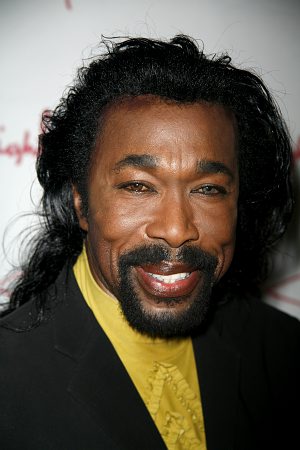
 As part of Ashford & Simpson, he and his wife, Valerie Simpson not only recorded some great disco and R&B classics, they also helped to pen the “Motown Sound” and define disco. Together they turned Diana Ross into The Boss, influenced Ray Charles to Go Get Stoned, made Chaka Kahn into Every Woman and created magic for Marvin Gaye and Tammi Terrell that anyone living on a mountain high or valley low could feel. When they lifted their voices in song, they were as Solid as titanium.
 As a music lover, his passing affects me deeply, but I know that when I step on a dance floor and hear my favorite Ashford &Simpson jam, “It Seems to Hang On”, I know I will lose it as I always have. I will bring my hands to my mouth, kiss the sky, hold my hands up high and give thanks that a star like Nick Ashford was allowed to burn for 70 years and left such luminous memories behind in the form of music and lyrics that will survive until the end of ages. My deepest condolences go out to his wife Valerie Simpson and their two daughters. Personally, I cannot fathom the loss of a true life partner – a husband, father and business partner. I hope she will find solace in the knowledge that she and her husband provided a voice and helped contributed to the soundtrack of an era where music was still about artistry, not branding, and that millions of music lovers mourn with her. Nick Ashford’s funeral is planned for tomorrow at Harlem’s Abyssinian Baptist Church. A repast is scheduled at Sugar Bar.